


11 May 2026 | Life at Wayve
Life At Wayve: Inside Global Fleet Operations
When Wayve vehicles drive in public, what people see is autonomy navigating complex, unpredictable environments. What’s less visible, but just as important, is the global fleet operation that makes that possible.
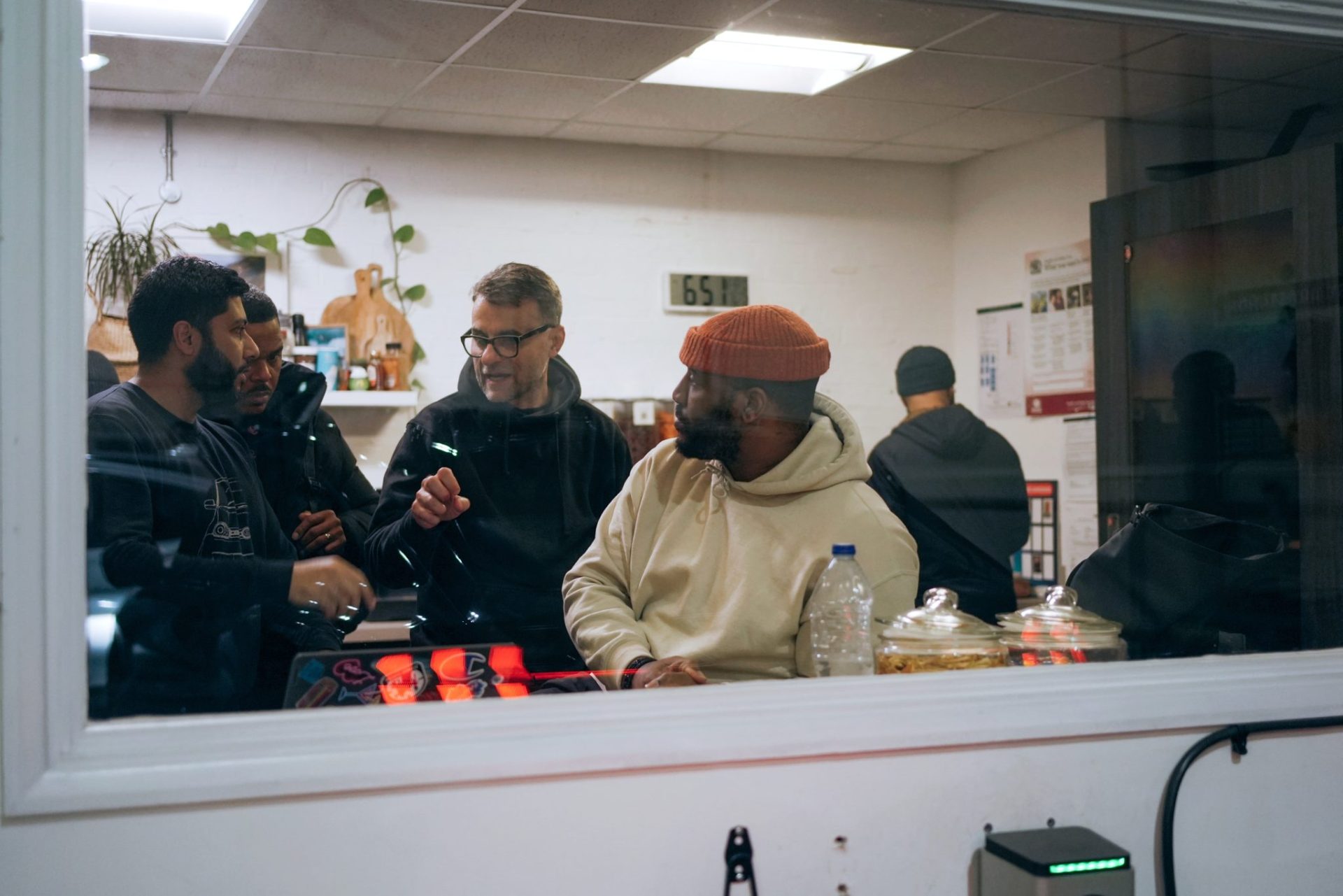
The Engine Behind Real-World Validation
Autonomous driving scales through disciplined, real-world exposure across cities, cultures, vehicle platforms, and environmental conditions. Behind every deployment, test program, or customer demonstration is a coordinated operation designed to ensure that learning happens safely, systematically, and at scale.
Why Global Testing Matters
Autonomy that only works in one city, one climate, or one operating domain is not ready for production. Real-world deployment demands:
- Geographic diversity
- Cultural and behavioral variation
- Infrastructure variability
- Changing weather and lighting conditions
- Evolving regulatory environments
Each new city introduces new driving norms, signage conventions, road geometries, and informal interactions between road users. Fleet Operations ensures that Wayve’s embodied AI encounters this diversity safely, learning from the real-world experience required for generalisation.
For OEM partners, this capability demonstrates production maturity. For investors, it signals scalable validation infrastructure. For regulators, it proves disciplined, standards-aligned testing in live environments.
Testing is not incidental to the product. It is how the product becomes robust.
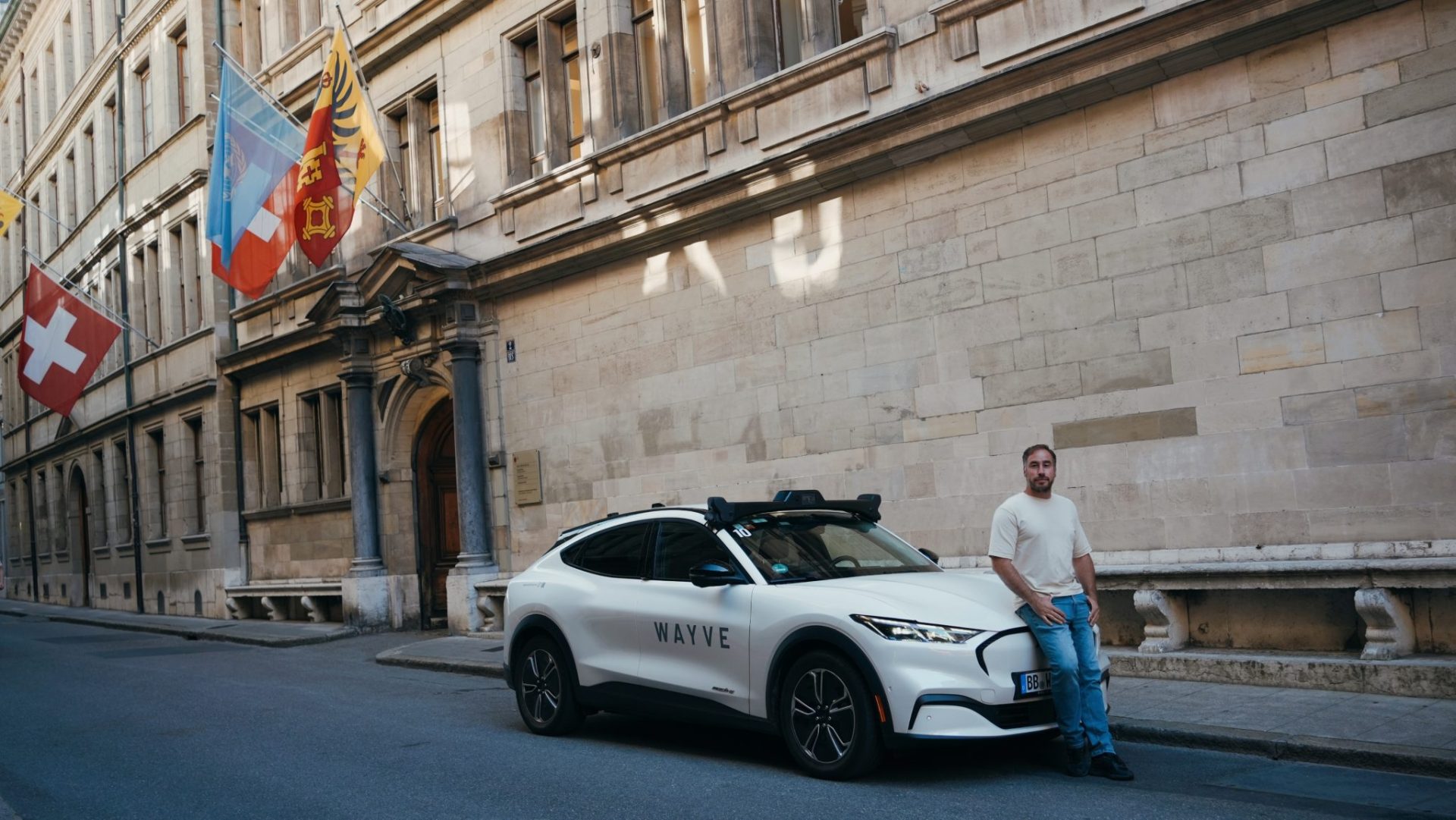
Built for Rigour, Not Just Demonstration
Public deployments and roadshows are visible milestones, but they sit within a broader operational framework. Our technology has driven in over 500 cities with little to no training data. However, to ensure we deploy responsibly in each location, we’ve set up a rigorous set of operational requirements. Before any vehicle enters a new city or program:
- Cross-functional planning aligns Fleet Ops, Engineering, Hardware, Software, Product, Marketing and Remote Support on targeted learning objectives
- Local driving behaviours and regulations are reviewed in detail
- Pre-deployment risk assessments are conducted
- Vehicle Safety Operators (VSOs) are trained specifically for that environment
This preparation ensures that exposure to real-world complexity happens deliberately, the objective is not simply to “show the system works.” It is to expose the system to structured diversity under controlled, safety-first conditions.
Roadshows: Where Autonomy Meets Reality
Roadshows play a visible role in demonstrating capability across markets. They allow partners, policymakers, media, and internal teams to see the system operating in live environments. But they also serve a deeper function: accelerating data diversity and operational confidence. Each roadshow becomes a stress test for:
- Cross-functional coordination
- Real-time issue response
- Risk management under evolving conditions
- Consistent safety behaviour in public environments
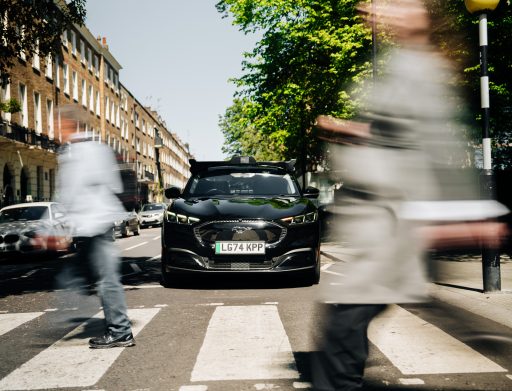
Unexpected roadworks. Sudden weather changes. Pedestrians behaving unpredictably. Local traffic norms that differ from previous deployments. Handling these conditions well is not incidental, it reflects operational discipline.
For external stakeholders, roadshows demonstrate maturity. Internally, they sharpen our processes.
A Day in the Life: Fleet Ops in Action
Fleet Operations runs on structure and precision.
Alignment and Preparation. Each day begins with safety briefings, vehicle checks, route validation, and experiment planning. VSOs and shift leads align on priorities, environmental conditions, and known risk areas. Preparation reduces variability before the first mile is driven.
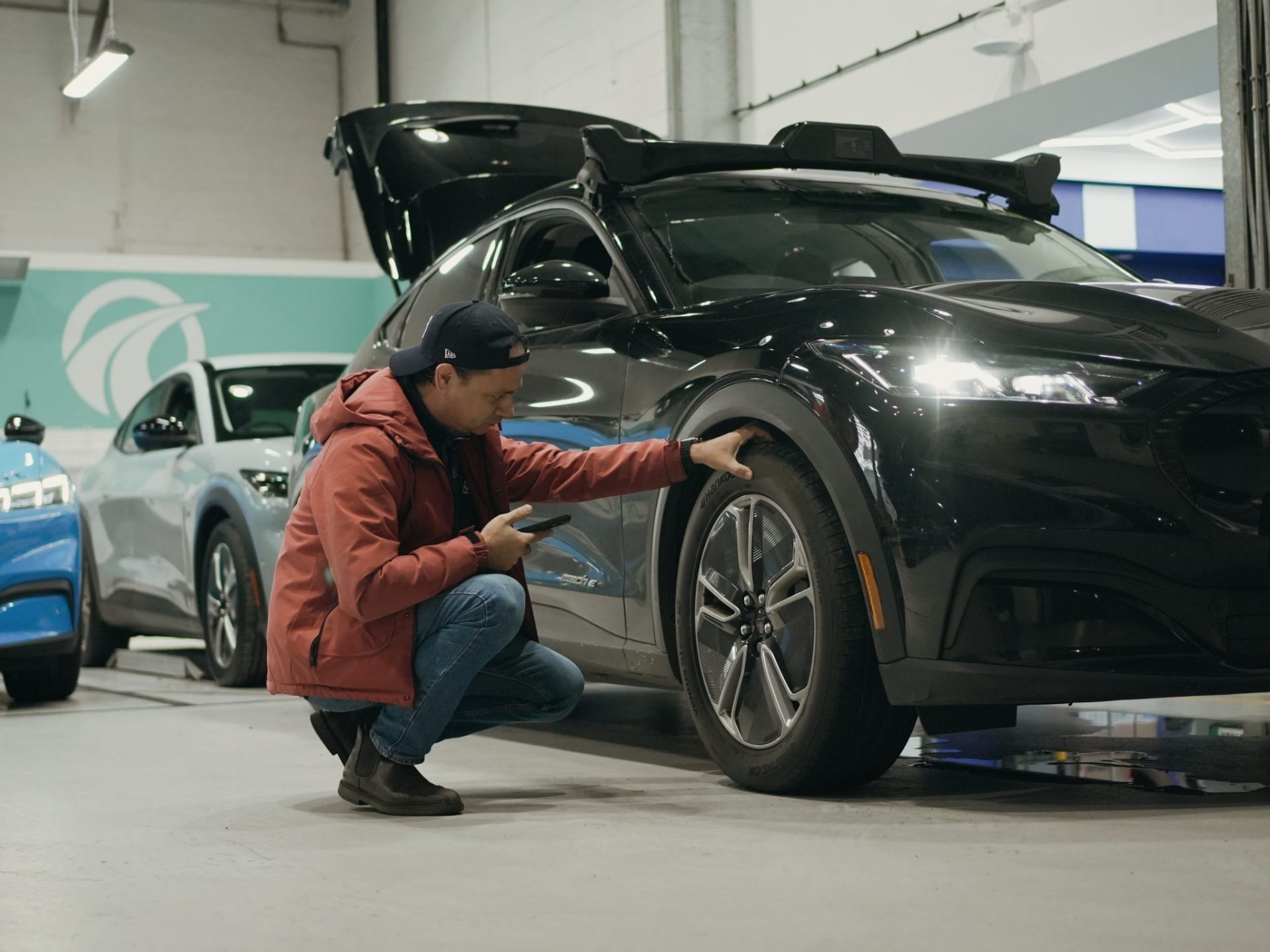
Vigilance and Learning Vehicle Safety Operators are not “drivers.” They are safety stewards, system evaluators, and real-time annotators of the driving environment. They monitor system behavior continuously, log edge cases and environmental nuances, and provide structured feedback that once annotated, flows into engineering.
Maintaining the System View. Shift leads coordinate the broader operation. They manage real-time changes, monitor vehicle status, align with remote support teams, and ensure disciplined execution under dynamic conditions. They are the connective tissue between the road and engineering. This structure ensures that testing remains both safe and productive.

Data as a Strategic Asset
Fleet Operations is also a data engine. Diverse, real-world driving data is essential to strengthening:
- Generalisation across cities
- Robustness under environmental variation
- Risk anticipation in ambiguous scenarios
- Self-awareness in uncertain conditions
Structured field exposure feeds directly into model development and validation pipelines. Rapid feedback loops enable faster iteration without compromising safety protocols. For OEM partners evaluating production readiness, this matters deeply.
The ability to operate globally is a competitive differentiator.

Safety as a Cultural Constant
Global fleet operations are grounded in a simple principle: safety is non-negotiable. Testing in public environments demands clear assumptions of use, defined escalation pathways, conservative decision-making under uncertainty and detailed debriefs and continuous improvement
Each shift ends with structured data offload, review, and reflection. Learnings are captured. Risks are evaluated. Adjustments are made. This discipline is not just operational hygiene, it is how safety scales.
Beyond Demonstration: A Deployment Engine
Fleet Operations enables more than testing and demos. As Wayve moves from research to deployment, global fleet operations ensure that autonomy is proven in the environments that matter most: real cities, real roads, real complexity.
Behind every mile is a team of professionals whose work ensures safety across our operations.. They plan meticulously. They operate conservatively. They adapt quickly. They close the loop every day. Autonomy is built in code, but it is proven in the field.
Fleet Operations is where embodied AI is deployed in the real world, responsibly, systematically, and at global scale.
3 August 2026 | Research
GAIA-4: Multimodal World Models Powering Closed-Loop Simulation for Safe and Scalable Autonomy
The latest evolution of GAIA, GAIA-4, puts the Wayve AI Driver in the loop, transforming world modeling from scene generation into a way to measure end-to-end safety at scale.
Read more
1 July 2026 | Life at Wayve
Wayve Announces $85M Employee Tender Offer
Wayve is offering an $85 million employee tender to give current employees liquidity, as we continue executing on our ambitious long-term roadmap.
Read more
29 May 2026 | Research
Building Intelligence That Can Act in the World
Frontier AI has made extraordinary progress by scaling digital intelligence. Much of the field is focused on making these systems more general-purpose, autonomous and useful across the digital world. Wayve Labs is focused on a different frontier: embodied AI.
Read more